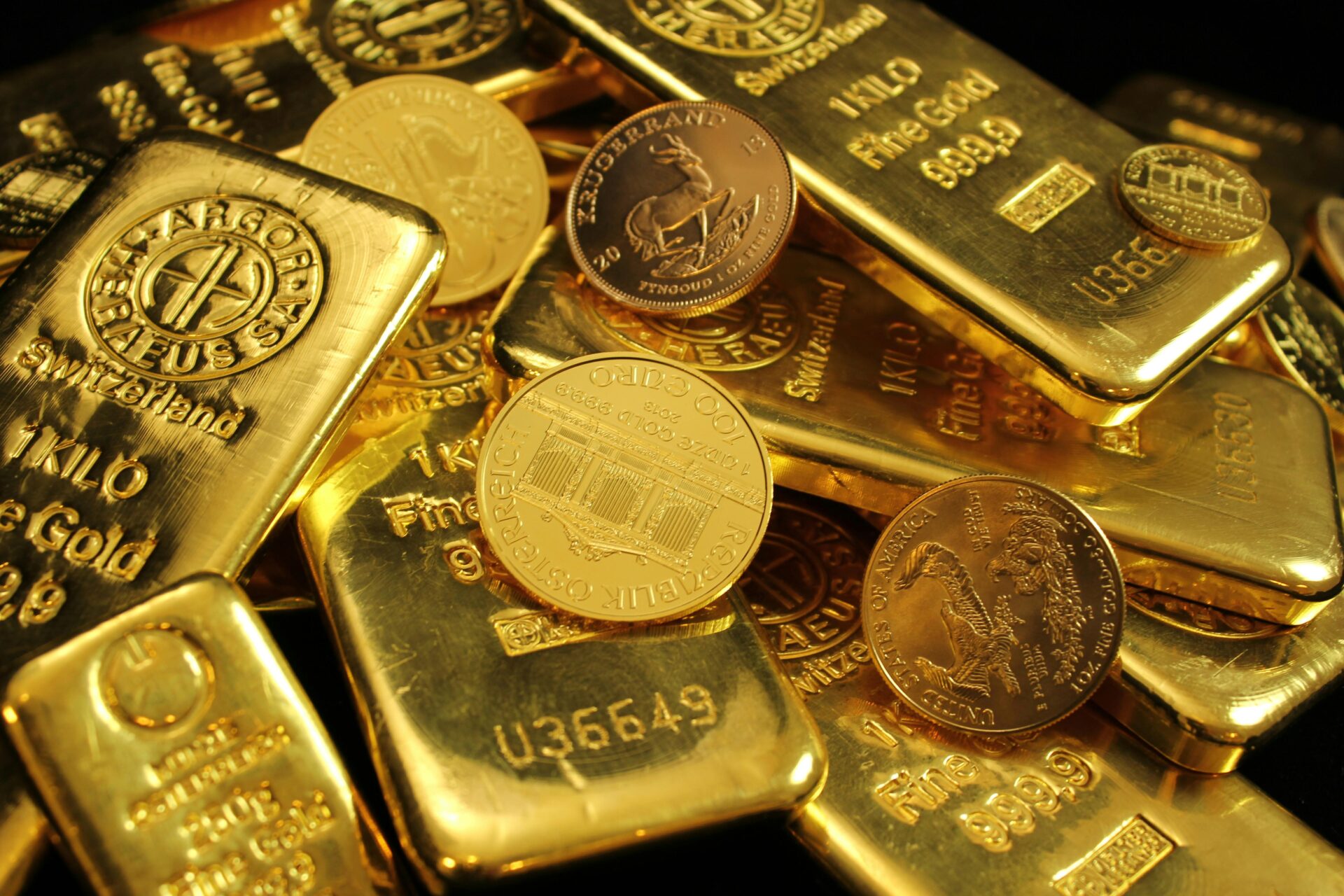
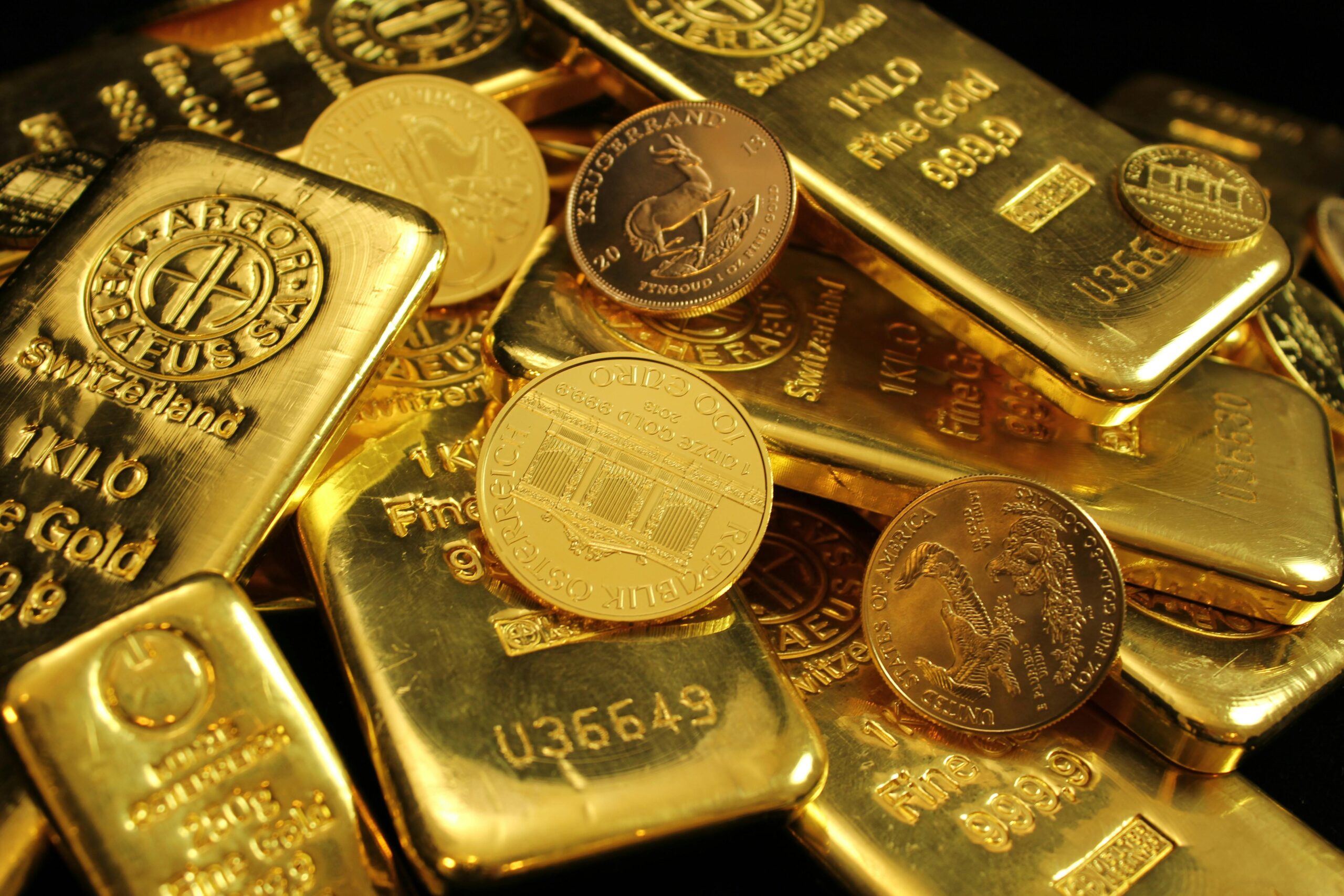
Gold is once again commanding attention. As at late January 2026, prices have moved into genuinely historic territory. That alone makes it worth discussing — not because it demands action, but because it invites perspective.
Markets tend to amplify narratives when prices reach extremes, and gold is no exception. The more useful question is not how high it can go, but why it is here and what role it realistically plays for investors.
Spot gold is currently trading around US$5,200–US$5,300 per troy ounce (US$5,293 at time of writing), having recently broken through US$5,000 for the first time. That is a meaningful milestone, reflecting strong gains over both the past year and the past month. Importantly, these levels have not been driven by a single event. Gold has been trending higher for some time, supported by a steady build-up of global pressures rather than a sudden rush into speculation.
Gold’s strength is best understood as a response to uncertainty rather than optimism. Safe-haven demand has increased as investors navigate ongoing geopolitical tension, policy unpredictability in major economies, and persistent concerns around financial system stability. At the same time, a weaker US dollar has provided support. Because gold is priced in US dollars, it tends to benefit when the dollar softens, particularly in a low or negative real interest rate environment.
Central banks have continued to accumulate gold as part of longer-term reserve diversification strategies, while ETF inflows point to renewed institutional and retail interest. Layered over this are expectations that real interest rates may fall further, reducing the opportunity cost of holding non-yielding assets such as gold. Broader themes like inflation concerns, rising government debt, and currency volatility, remain unresolved and continue to shape investor behaviour.
In the near term, gold looks stretched. That does not negate the broader trend, but it does increase the likelihood of volatility or periods of consolidation. Strong markets have a habit of encouraging investors to project recent returns forward indefinitely. History suggests that’s rarely a reliable guide.
When clients ask me about gold at times like this, the conversation often drifts toward extreme outcomes, global collapse, systemic failure, even war. It is worth addressing that directly.
If you genuinely believe the world is heading toward a complete economic breakdown or a World War III-type scenario, then owning gold is unlikely to be the solution. In that environment, it won’t be the person with the gold who sets the rules, but the person who can exert the most force. And that’s assuming you even hold physical gold, not paper gold, not an ETF, not “exposure” on a portfolio statement.
This doesn’t mean gold has no place. I do believe gold can add value within a portfolio during periods of geopolitical stress, monetary uncertainty, and currency volatility. History supports that view. But gold is not a cure-all, and it is not an insurance policy against every possible future.
The more useful question is a practical one: what role should gold play, and in what proportion? For most investors, this is not about predicting disaster. It is about diversification, balance, and resilience within a broader strategy. As with any asset, the answer is rarely all or nothing, but something considered, measured, and appropriate to the individual.
At BeaconPoint, that is how we approach assets like gold, not as a headline trade, but as one component within a well-constructed portfolio, aligned with long-term objectives rather than short-term fear.
If you would like to discuss how assets such as gold may (or may not) fit within your broader investment strategy, we are always happy to have that conversation.